


By Ash Reynolds
The Mirador Apartments, a 55+ living complex in Altadena, still stand tall, though the Eaton fire ravaged most of the surrounding neighborhood in January 2025. The building is certainly more modern in appearance than the buildings that surround it, at least the ones that are still standing. From the outside, it looks like the fire miraculously left this building unscathed. However, haunting the halls of the complex is residual trauma from a nightmarish evacuation and lingering, untreated smoke damage.
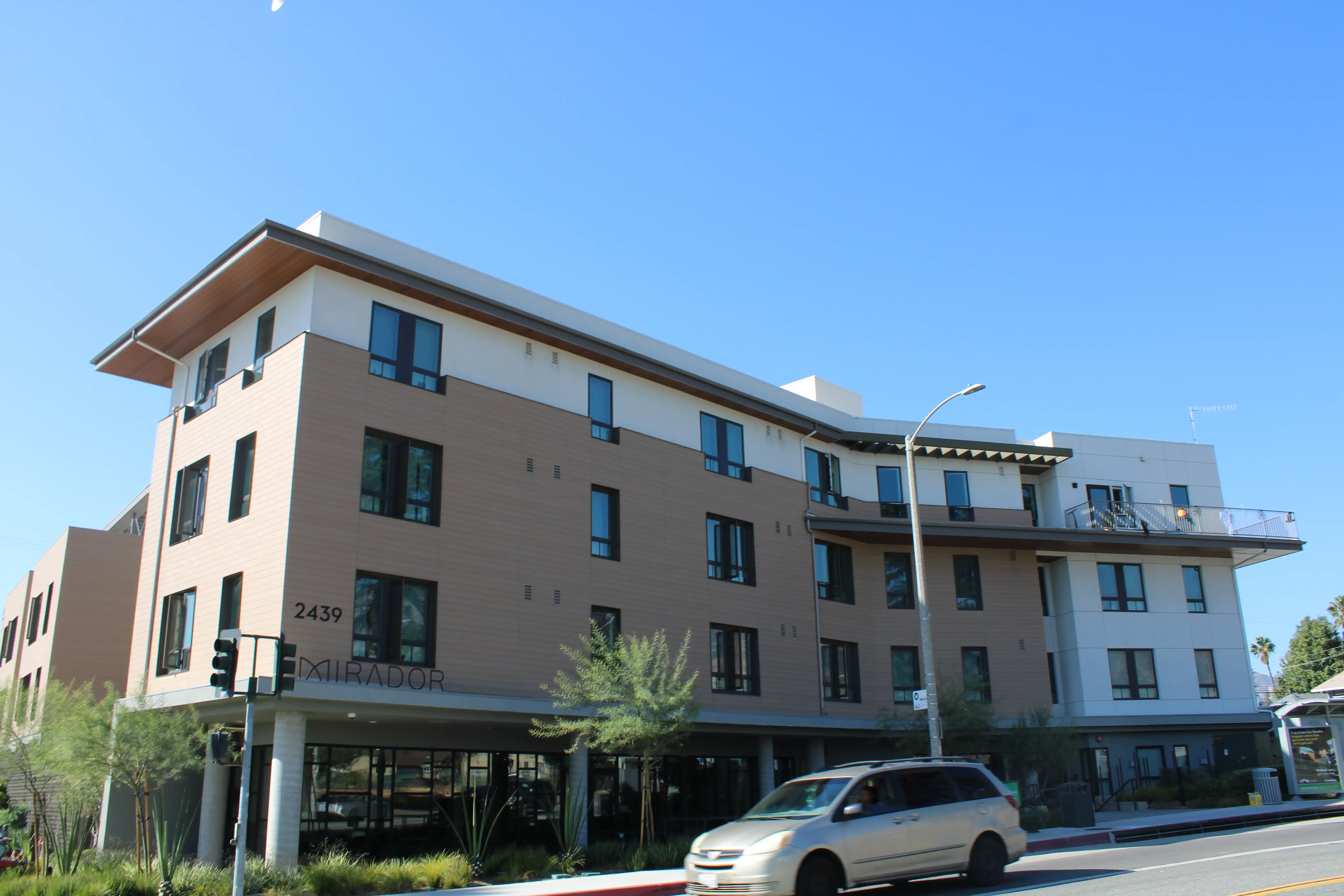
Before the fire reached the neighboring lots, the Mirador apartments lost power. It was only when they were told to evacuate that the residents learned that the building did not have a backup generator to power their elevators. The residents, all over 55 and many of them physically disabled, were left to climb down several flights of stairs in complete darkness.
“It was pitch black,” said resident Julie Esnard. “There are disabled people in there, wheelchairs, walkers, canes.”
Esnard, who uses a walker, called the fire department around 1:30 a.m. and was told to wait as Mirador was just outside of the mandatory evacuation zone. Thirty minutes later, the San Dimas Mountain Rescue Team showed up at her door and carried her and her two puppies down the stairs.
Other Mirador residents were not as fortunate. Taura Scott, 72, packed up her cat and a few belongings, but while trying to evacuate in the darkness, fell down the stairs and injured her leg. Scott has been receiving physical therapy for her injuries since.
“It was the worst night of my life,” said Scott, of the evacuation.
“We were told the reason there was no backup generator was that it wasn’t legally required,” said Esnard.
Esnard and other residents feel that the building, which is designated specifically for tenants older than 55, should have had one anyway.
“You have disabled people in here," Esnard said. "[Management] felt no moral obligation, which goes to show you what kind of people we’re dealing with.”
After the initial evacuation, residents who were able to, stayed with friends or family. Other residents found temporary housing at the Pasadena Convention Center until January 23, after management told them it was safe to return.
In the months following the evacuation, Mirador residents have reported that building management has not been taking the proper steps to ensure their safety. Mirador may still be intact, but any property that close to the fire will have smoke damage and pollutants still lingering inside.
Despite the smoke damage in the building, which requires professional attention to properly remediate, multiple Mirador residents report that the only help they received from management was a package of Lysol wipes. The individual units were otherwise not remediated.
“You’re just moving the particles from one place to another,” said Kevin Cox, CEO and Founder of the Hope Crisis Response Network, a disaster relief organization that offers smoke remediation services after a fire. “You can’t use a rag or towel to clean soot.”
Even if the wipes had been enough to fully detoxify the apartments, Mirador sits on the corner of Lincoln Avenue, the main thoroughfare for cleanup trucks carrying debris. Unlike a forest fire, which mostly burns naturally occurring materials, the L.A. fires burned buildings containing lead, asbestos, benzene, and countless others. Those toxins can linger in the debris, and become airborne again when disturbed.
“We tell families we can’t be in a hurry to do smoke remediation if there’s still work being done on your block,” said Cox. “[The Army] is removing all that soil, and those … toxins become airborne. If the neighborhood’s not clean yet, you’ll find that your home will get reinfected.”
“You can’t take shortcuts in these scenarios,” said Cox.
Esnard reported that residents, who had been told it was safe to move back in, were told by management that they should just close their windows as debris trucks drove by. Cox confirmed that the windows would have to be sealed in some way to fully keep all the pollutants out.
Mirador residents may not be aware of the damage these pollutants are causing until years later, according to Dr. Maryum Merchant, a pulmonologist at UCLA.
“It’s possible that some patients who perceive themselves as very healthy may be developing some symptoms,” said Dr. Merchant. “It may manifest itself as something else years later.”
Due to some initial media attention, Mirador residents are fearful to share their stories due to potential retribution from building management. Multiple residents reported that eviction notices had been sent to residents who spoke to the media, though nobody has actually been evicted.
Esnard said she received a cease and desist letter from management, warning her that she was violating her lease. That didn’t stop her from speaking out.
“You’re going to evict me for telling the truth?” said Esnard. “How’s that going to look?”
Esnard led a movement among the residents to form the El Mirador Alliance, in order to demand action from building management. However, after months of inaction and threats from the building, the Alliance has become less active.
“They’re afraid,” said Esnard, of the other Mirador tenants. “When you get up and ache, you don't want to be homeless. It's better to take crap than it is to be homeless.”
While the fight may be on pause, the trauma and anger still lingers.
“[Management] should have helped us evacuate. They should have remediated our apartments immediately,” said Scott. “They should have been more compassionate to our situation.”
While Esnard herself was not physically injured, the night of the fire and the months that followed were so traumatic that she has been receiving five hours of intensive therapy every weekday since August.
“I’ve lived in Altadena for 62 years,” said Esnard. “It’s very much part of the fabric of me. To see it devastated the way it was, it breaks my heart.”